
HOME › SERVICES › ROOF RESTORATION
Roof Restoration Across The Greater Toronto Area
Most roofs have a time when the surface appears tired, the granules have worn out and the flashing seals have aged, but the structure that supports it all is very sound. Owners are usually offered two choices at that stage: patch it and hope, or replace the whole thing. There’s a third, which few contractors touch upon. Restoration fixes what is really broken, and saves years of trouble-free service without removing a roof that doesn’t need to be removed.
01
Extend Your Roof's Service Life Without The Cost Of Replacement
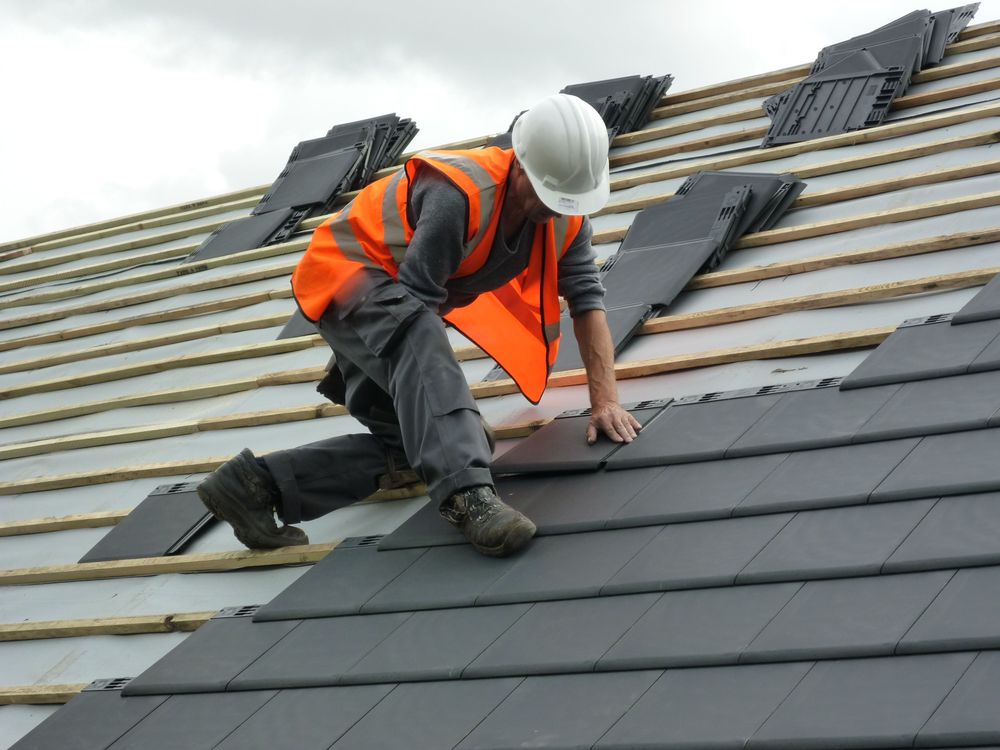
We give a second life to roofing systems that still have good structure underneath a problematic surface, so you avoid the cost and hassle of a complete tear-off. A restoration repairs the failed components, cleans and conditions the surface and restores the system to predictable performance for several additional seasons. This work is completed quicker than a replacement, it costs much less and you get documentation of what was accomplished. Before spending any money, call us and we will tell you whether or not your roof qualifies.
02
Find Out Free Whether Restoration Is Right For Your Roof
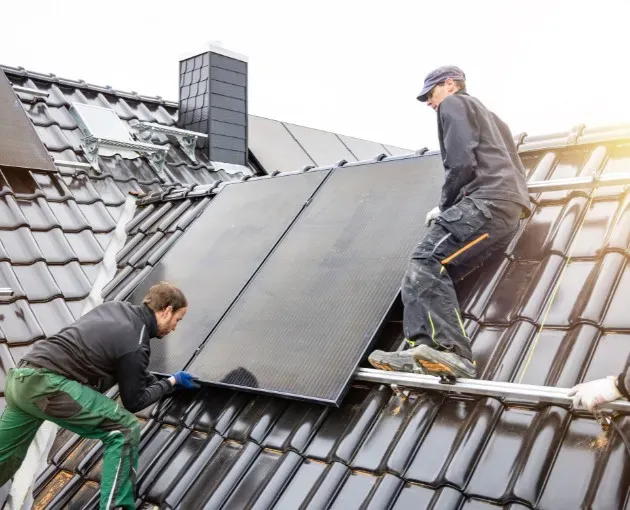
We assess candidacy before quoting, and we say no when the answer is no. Soft decking, widespread membrane failure and structural movement all rule restoration out, and treating a surface above those conditions wastes your money while hiding a problem that keeps progressing. We inspect deck condition, integrity of shingle or membrane, flashing at all transitions and penetrations, drainage and ventilation. You get the results back in writing and the explanation as to why this roof needs restoration or doesn’t.
03
Protect Your Restored Roof With Scheduled Aftercare
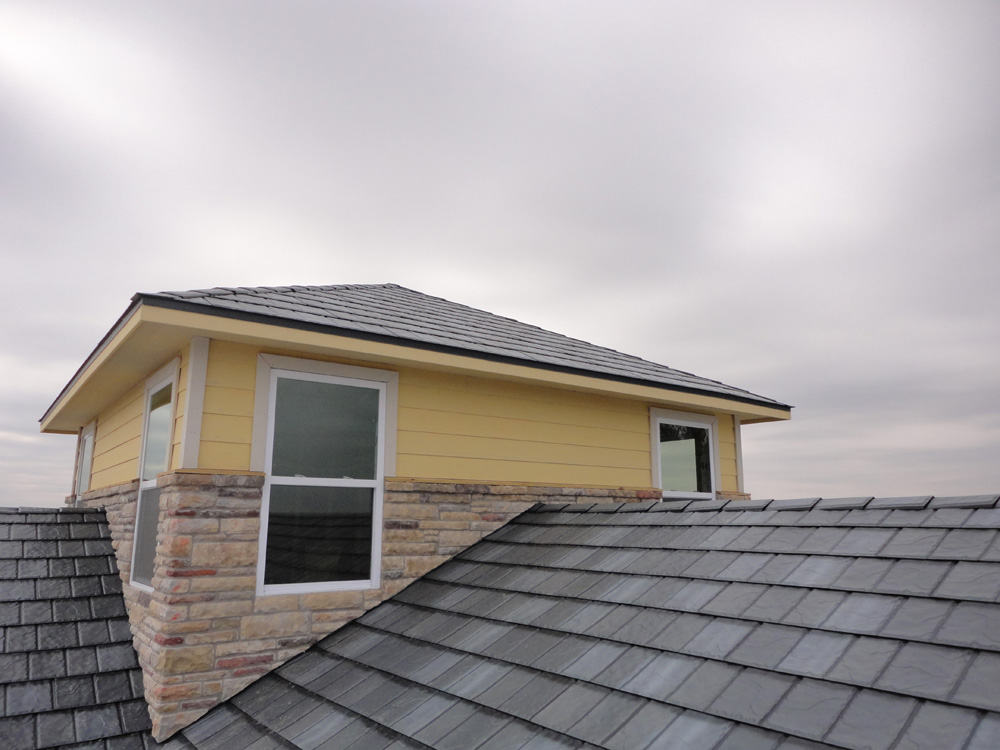
We place restored systems under a maintenance programme, after all you have paid for the extended service life so you want it protected. Regular checks annually assess the restoration’s progress and prevent it from being compromised by any new growth. Emergency response is still available after the weather event and a storm impacting a roof that was just restored will find individuals that know exactly what was performed on that roof and where. The aftercare is what converts a good restoration into a genuinely long one.
What Is Roof Restoration, Exactly?
Restoration is not coating rolled over a tired surface, whatever some contractors imply. When properly performed, it is completed in this order: honest assessment, repair of each failed part, surface treatment, protection. The stages are dependent on each other. If the roof is not even a candidate, it is assessed. Component repair will repair the actual water entry point. Surface treatment prolongs the life of sound material. Skip one of the steps and the outcome will be better for a season, and then it will break down in the same places.
When Does Restoration Beat Replacement?
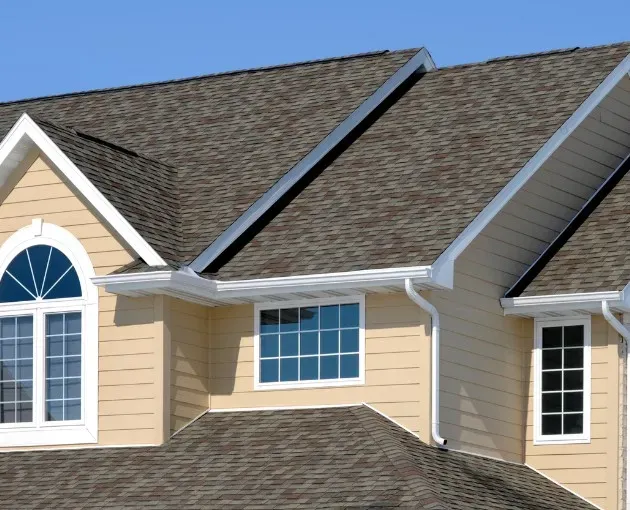
The deciding factor is what lies beneath the surface.A roof with good decking and having a sound roof structure, with limited deterioration, is a solid candidate and restoration will normally recover a number of years of use life with a minimal replacement cost. A roof where sheathing is wet, membrane is failing over a significant portion of the roof and/or the structure is moving is not a candidate for any amount of money. This sincere discussion is money saving in both directions and that is why it is done prior to quoting, not afterwards.
Why Component Repair Must Come First
Treating a surface above components that have already failed produces something that photographs well and fails at exactly the points nobody addressed. Our process corrects flashing failures, replaces deteriorated ridge and hip material, reseals penetrations at chimneys, vents and pipe boots, repairs decking where moisture has compromised sheathing, and resolves drainage faults, all before any treatment is applied. If a section is beyond restoration it is replaced properly and a connection is made between the replacement and the restored section around it.
How The Surface Treatment Is Matched To Your System
At this point, the handling for shingle and membrane systems is completely different. A granule loss assessment and replacement of damaged tabs and protective coating (if necessary) for shingle roofs. Seam resealing, repair in all locations of perceived breach points and a protective coating appropriate to the type of membrane used is provided on flat membranes. It is in the application of a single product across all surfaces that restorations get their bad rap and it is the shortcut that distinguishes a real restoration from a cosmetic restoration.
Which Materials Survive Ontario's Seasonal Cycle?
Here products are chosen for freeze-thaw resistance and UV resistance because our climate forces coatings to fail in general use in just one full year. A product can read well on a specification sheet and still crack through its first proper winter, or chalk and degrade through its first summer of direct exposure. Specifically we are using materials that are rated to these conditions – at a higher price up front vs a much lower cost over the years of restoring service we are expecting.
What Gets Documented And Why It Matters Later
All findings from the assessment are documented prior to work commencing and a set of photographs is taken of the completed scope of restoration at the end of the job. It has a variety of uses you may not require right now. It helps to substantiate warranty claims for the materials used. It shows a future purchaser that the roof was taken care of and not just ‘beautified up’. It provides any subsequent contractor who might be working on the roof an accurate picture of what was done. Brad Ellis takes the time to check the finished product before the crew leaves.
Getting Your Money's Worth From An Existing Roof
A roofing system is a big investment and to replace it when it has many years of useful service life remaining is a waste. There is restoration and it is there to be restored. If you’re thinking of selling in a few years, it provides a solid, presentable roofing system without the expense of replacement. For the sitters, it puts off a big cost, while still maintaining the building’s integrity. Either way the roof goes it doesn’t really matter.
Restoration Work Throughout The Region
East York and older North York neighbourhoods generate much of this work, where structurally sound systems on established properties benefit from targeted restoration rather than premature replacement. We also restore in Etobicoke, Scarborough, Markham, Richmond Hill and Thornhill and out through Pickering, Ajax and Oshawa in Durham Region and out to Mississauga. The same assessment first approach is taken with each property and we are licensed and insured end to end.
Etobicoke
North York
East York
Scarborough
Markham
Richmond Hill
Thornhill
Pickering
Ajax
Oshawa
Mississauga
Find Out If Your Roof Can Be Saved
Provide the age of the system, current operation and any recent repairs. We will give a fair evaluation and straight up tell you if restoring is advisable here or if you’re better off pouring money into other areas.