
HOME › SERVICES › ROOFER
Certified Commercial Roofers Serving The Greater Toronto Area
A warehouse roof and a house roof have about the same purpose and not much else in common. Commercial surface areas can be up to tens of thousands of square feet. Loads, drainage systems and materials systems are governed by their own sets of rules. Below it, a business goes on trading all the time. Roofing Repairs Dun-Rite Inc. provides commercial flat and low slope roofing installation, roof repair and maintenance services across the GTA. Every commercial project is attended by Brad Ellis himself who is responsible for the outcome and decisions are made on the roof.

01
Hire Commercial Roofers Who Work Around Your Trading Hours
If you have a commercial roof project planned, we work around the times of your building. A replacement that shuts down a business for a fortnight is a lot more expensive for the owner than the roof and we have seen that happen with companies that have gone with the lowest bid. Dust and water protection of retail stock. Floors must be quiet in the office during the business day. Warehouses require loading bays to be maintained for deliveries. Our roofers take a walk around the building prior to quoting, determine your busiest time and what is directly underneath the work area, and plan the work accordingly. At the first visit inform us of your limitations and the programme is designed around them.

02
Demand A Commercial Roofing Contractor Who Specifies For Your Building
Before offering a system, we ask the question, “Well, who’s going to maintain the roof?” and that’s a question that not many commercial roofing contractors ask on the quoting stage. An owner-occupied building where there is easy access to the roof with simple access is a different specification when compared to a multi-tenant building that nobody is climbing on for five years. Occupancy type, exposure, drainage conditions and realistic maintenance access all shape what goes on. EPDM performs superbly where thermal movement and ponding resistance matter. Modified bitumen earns its place where surface durability and puncture resistance come first. Built-up systems are suitable for replacement in kind. The next 20 years of performance will be determined by the specification.

03
Receive A Complete Compliance File On Project Closure
You are provided with material certification documentation for your commercial property records, warranty documentation for workmanship and materials, and inspection records provided from each critical point in the installation. That documentation comes in handy during refinances, when selling, when renewing insurance policies and the next time a new facilities manager takes over a building he or she has never seen before. Before closing on a commercial project, Brad Ellis personally signs off at final walk through. Most owners only think of documentation after they’ve already had a request for it, typically at an inconvenient time, and the contractor that performed the work is long gone.
Call Our Emergency Commercial Roofers When Water Is Already Inside
We treat active commercial leaks with genuine urgency, because in a trading building the repair invoice is rarely the largest number involved. Water reaching stock, equipment, server rooms or tenant space generates losses that overtake the roofing cost within hours. In a leased property it also immediately begs the question of what obligations the landlord has and what remedies the tenant has. Our emergency response involves applying temporary waterproofing over the damaged section and stopping any additional material from coming in and securing any displaced pieces until the permanent repair is properly considered. The first thing to do is containment which yields better permanent work than trying to do a complete repair on a soaked surface in the middle of the storm.
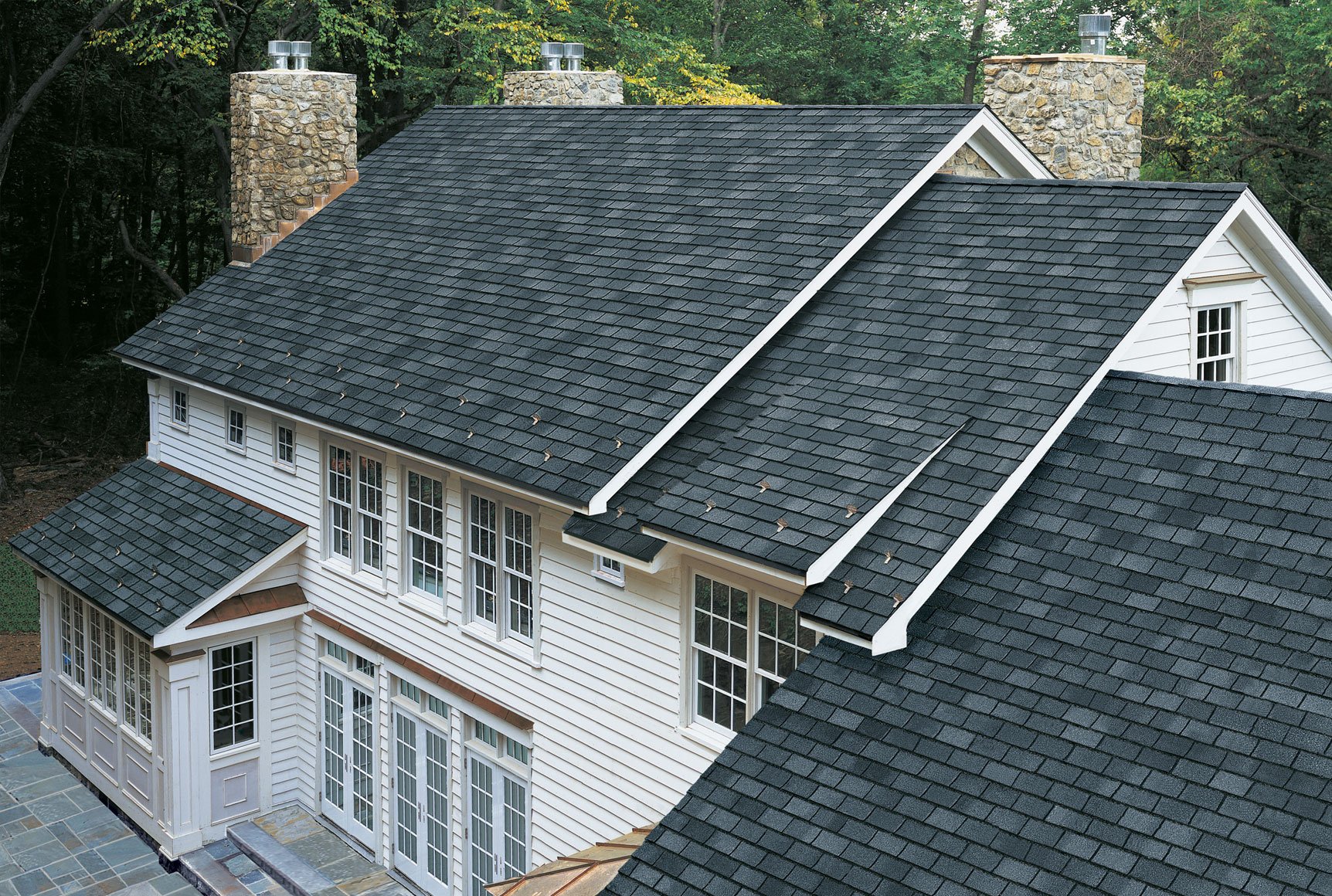
How Does A Commercial Flat Roof Replacement Actually Run?
The old system is completely removed if it needs to be replaced. A layer over is a solution used to cover-up problems over a huge area, and no one knows they exist until water shows up somewhere else. The deck is then inspected and repaired prior to the arrival of new deck material at the site. Insulation board goes down where thermal improvement forms part of the scope. Membrane is installed per manufacturer’s guidelines and put together with seams according to manufacturer’s recommendations for warranty. Perimeter Detailing and Penetration Detailing, as per commercial flashings, is not the same as perimeter detailing applied at a larger scale as in the residential work.
Which Failures Do Commercial Roofing Systems Develop Over Time?
These patterns are definite and readily identified by anyone who works on these roofs frequently. As the membrane expands and contracts due to temperature changes, EPDM lap joints split at the seams. Modified bitumen blisters that have filled with water during application or since. Built-up systems shed gravel through wind scour, leaving the surface beneath exposed to direct ultraviolet degradation. Flashes at penetrations and parapet walls don’t seal up, and on a commercial roof, that translates to dozens of separate locations where water can enter the roof without flashing.
Why Ponding Water Ruins Flat Roofs Faster Than Anything Else
Commercial flat roofs are designed to drain, not to retain. Standing water focuses load on a specific area of deck, constantly acts on membrane and seams and can increase the rate of ultraviolet breakdown of the surface below. It freezes and expands in direct contact with the material through the winter. Nearly always, ponding will indicate a drainage failure or a deck deflection or a combination of both. We map it out at assessment and then get our finger on the root cause, treating a membrane on top of a drainage issue is going to do nothing but gain maybe a season of life.
How Often Should Commercial Roofs Be Inspected In Ontario?
Large flat roofs reward scheduled attention more than any other system we handle, largely because faults sit unnoticed up there for months while nobody has reason to climb a ladder. Inspections are recommended at times of transitions between seasons when issues will become apparent and can be corrected at a low cost. Before the rainy season comes in full force, the drains need to be checked. Seams want examining after summer heat and again following the first hard freeze. We operate on the same rhythm with our post installation maintenance programmes, and emergency repair response within the service area between the visits.
Nobody Admires A Warehouse Roof, Which Is Precisely The Point
When it comes to commercial work, standards go out the window because no one can see it from the street, and many contractors take advantage of this. Fastener checks apply uniformly across the entire system. When sites are completed, they are swept clean, including the yard and parking areas below the work. All materials supplied are covered by extended warranties. Nobody really uses the same rules for creating a successful commercial project as those they use for a successful residential project: honest evaluation, careful preparation, high-quality materials and craftsmanship that will stand up to scrutiny.
Commercial Roofing Work Across Toronto And Durham Region
The majority of our industrial and warehouse work comes from Scarborough and Mississauga, and there is consistent office and retail work in Markham’s commercial parks. Etobicoke, North York, East York, Richmond Hill and Thornhill and extends to Pickering, Ajax and Oshawa for facilities in Durham Region. No commercial job anywhere in that area is subcontracted to another crew, and our license and insurance remain the same whether it’s a roof of two thousand square feet or forty thousand.
Etobicoke
North York
East York
Scarborough
Markham
Richmond Hill
Thornhill
Pickering
Ajax
Oshawa
Mississauga
Get A Commercial Roofing Quote This Week
Tell us the roof area, the system type if you know it, and what the building is used for. We will evaluate the deck, identify what is right for the property and offer a timeline that allows your operation to continue trading during the process.